


























In 2024, more than 200 new tokens were listed on exchanges, and some saw their prices double or triple within the first week. That’s why crypto listings generate such interest: they open the door to the market for a project and create profit opportunities for investors.
In this article, we’ll explore what a crypto listing is, how the process works, and how to catch the moment when a promising project starts trading.
What Is a Crypto Listing?

A crypto listing is the official addition of a coin or token to an exchange, after which it can be freely bought, sold, and traded for other assets. Essentially, it marks the public debut of a cryptocurrency for a wide range of traders.
For a crypto project, a listing means:
-
Access to a high-liquidity market
-
Increased visibility
-
The potential to attract institutional investors
For a trader, a listing means:
-
A secure and official way to acquire the token
-
The ability to trade on a reputable exchange
-
An indication that the project has passed at least a basic vetting process by the platform
Types of Crypto Listings:
-
Initial Listing: The token’s first appearance on any exchange.
-
CEX Listing: Listing on centralized exchanges like OKX, KuCoin, Bybit.
-
DEX Listing: Listing on decentralized exchanges such as Uniswap or PancakeSwap.
-
Paid Listing: The project pays the exchange for listing.
-
Organic Listing: The exchange lists the token due to its popularity.
How Listings Work: How Cryptocurrencies Make It onto Exchanges
A crypto listing isn’t automatic. To be listed, a token’s team must apply, pass reviews, and meet platform-specific criteria.
Application Submission
The process begins with submitting an official application on the exchange’s website, including technical documentation, tokenomics, team info, security audits, and a roadmap. The higher the reputation of the exchange, the tougher the criteria.
Due Diligence
Once submitted, the exchange performs due diligence—evaluating funding rounds, community engagement, media presence, code transparency, and price history on DEX (if available). They also check for signs of scam or pyramid schemes.
Agreement & Listing Prep
If approved, both parties sign a cooperation agreement. The project prepares liquidity, integrates on the exchange, and initiates marketing. The exchange then announces the listing date and time, sometimes just days or hours in advance.
Factors Influencing Exchanges’ Listing Decisions
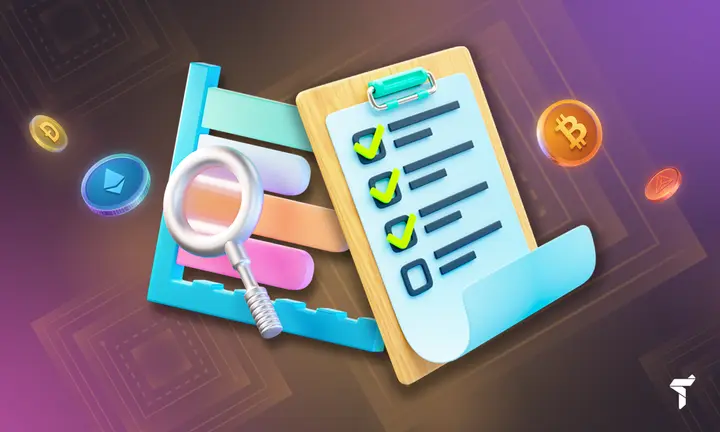
Exchanges receive thousands of listing applications each year and apply strict criteria to choose only the most promising projects. They assess not just the technology, but commercial viability.
1. Team Reputation
Experienced, public teams with successful track records reduce fraud risk. Anonymous teams seldom pass reviews.
2. Smart Contract Audit & Security
Tokens with smart contracts must undergo third-party audits (e.g., by CertiK or Hacken). Exchanges avoid tokens with vulnerabilities or exploit risks.
3. Trading Volume & Liquidity
If the token trades on a DEX, the exchange looks at volume, trader activity, and price stability—signs of real demand.
4. Community Activity
Projects with large, engaged communities have higher listing chances. Exchanges monitor Telegram, X (Twitter), Reddit, and forums.
5. Regulatory Compliance
Critical for regulated exchanges: any sign that the token is a security or violates local laws can disqualify it in certain jurisdictions.
Upcoming Crypto Listings Calendar
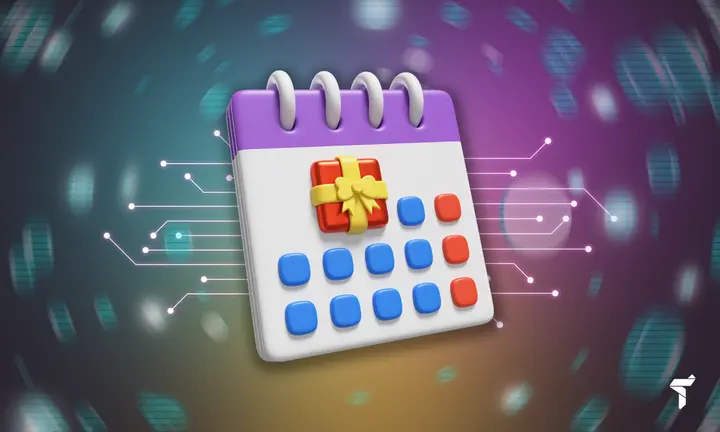
Tracking upcoming listings lets you get in early on promising tokens before price increases. Below is a curated list of tokens scheduled for addition to popular exchanges in the coming months of 2025:
| Date | Project name | Ticker | Exchange | Platform |
| June 2025 | Rexas Finance | RXS | Tier-1 CEX | Ethereum |
| June 2025 | Solaxy | SOLX | CEX/DEX | Solana |
| July 2025 | Falcon USD | USDF | CEX | Ethereum |
Sources of Information About Listings
To stay ahead of upcoming cryptocurrency listings, it’s essential to follow trusted sources. Exchanges often don’t announce listings far in advance, and unofficial channels can spread fake news. Here’s where to find reliable updates:
Official Exchange Websites
Most exchanges publish listing announcements in the “News” or “Announcements” section. Examples include:
Crypto Calendars
-
CoinMarketCal – the most popular crypto calendar with a dedicated “Exchange Listings” filter.
-
CryptoRank.io – features a separate “Upcoming Listings” section and valuable analytics.
-
ICODrops, CoinGecko Events – additional sources for upcoming crypto events.
Social Media & Communities
TIP: Follow X (Twitter) accounts of crypto projects, exchanges, and industry influencers. These often post early info about new token listings.
Recommended accounts:
-
@MEXC_Official
-
@gate_io
-
@CryptoRank_io
-
@CoinMarketCal
Also consider joining Telegram channels focused specifically on listing alerts — but always verify the information with official sources.
Conclusion
A crypto listing is a milestone event for any token. It opens the door to public trading, creates demand, and builds liquidity. For investors, it’s a chance to get in early on promising projects.