





























In the world of crypto trading, you can earn money not only when prices rise but also when they fall.
In this article, we’ll break down what long and short positions are, how they work, and why beginners should be cautious with leverage.
What Is a Long Position
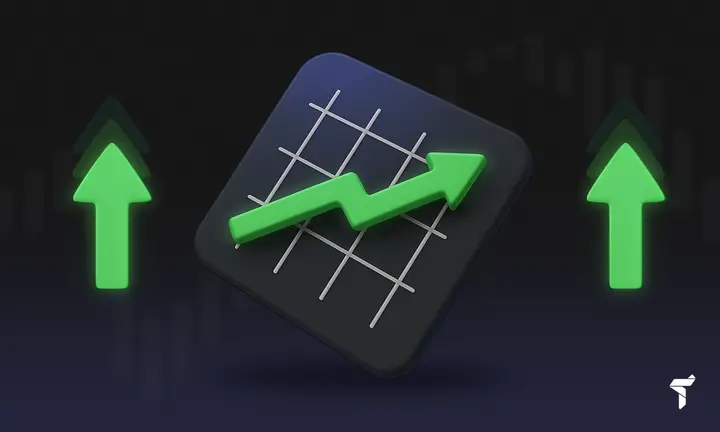
A long position is a strategy where a trader expects the price of an asset to rise. In this case, they open a buy position, anticipating that they can later sell the cryptocurrency at a higher price and lock in a profit.
Going long is one of the most common ways to earn money in crypto, especially during bull markets when most assets appreciate.
When to open a long position:
-
Following positive news or expectations of market growth
-
After a correction, when the price reaches a strong support level
-
When technical analysis indicates potential upward movement
-
During periods of general market optimism
This strategy is used both in spot trading (actual cryptocurrency purchase) and in margin or futures trading, where profit is generated from price changes without physically owning the asset. In the following sections, we’ll examine how long and short positions work in practice and their key differences.
What Is a Short Position
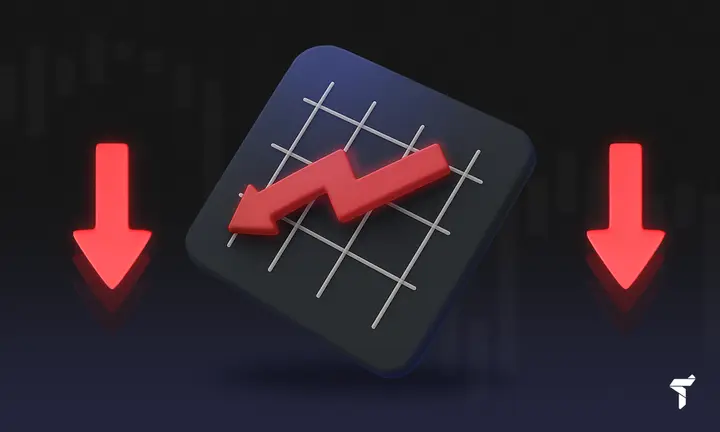
A short position is a strategy for profiting from a market decline. When a trader opens a short position, they are essentially betting that the asset’s price will fall. If the prediction holds and the price drops, the trader buys the asset back at a lower price than they sold it for, securing a profit on the difference.
Shorting is a tool in crypto that allows traders to earn even during prolonged bearish trends or market panics.
When to open a short position:
-
Anticipating negative news or regulatory restrictions
-
Technical analysis shows a breach of key resistance levels
-
The asset shows signs of being 'overheated' or experiencing speculative growth
-
General decline in interest in the crypto market or a specific token
It’s crucial to understand that short and long positions are not just trade directions but two opposing market behaviours. While shorting opens broad profit opportunities, particularly during crises, it requires strict risk control and discipline.
How Long and Short Positions Work in Practice
In practice, long and short positions in trading are executed using various instruments: futures, derivatives, and margin trading. This allows traders not just to buy or sell cryptocurrency but to open positions betting on price movements without owning the asset.
Using Futures, Margin Trading, and Derivatives
-
Futures—contracts that allow betting on an asset’s future price movement. For example, opening a long earns profit if the price rises; in a short, profit comes from a price drop.
-
Margin trading—trading with borrowed funds from an exchange or broker, enabling larger positions than the trader’s own capital.
-
Derivatives—financial instruments (e.g., perpetual swaps) that function similarly to futures but have no expiry date.
How a Position Is Opened and Closed
-
Long: Opened by buying an asset or contract with an expectation of price growth. Closed by selling after reaching the target price.
-
Short: Opened by 'borrowing' an asset to sell, then buying it back later at a lower price to return it.
Differences Between Spot and Margin Trading
|
Feature |
Spot Trading |
Margin Trading |
|
What is bought |
Actual asset |
Position on price movement |
|
Risk of total loss |
Low (loss = asset depreciation) |
High (liquidation possible) |
|
Leverage |
None |
Often used |
|
Long & short possible? |
Mostly long only |
Both available |
Leverage and Liquidation
Trading with leverage opens wide opportunities but also comes with high risks, especially in the highly volatile crypto market.
What Is Leverage?
Leverage is a tool that allows increasing position size using borrowed funds from an exchange.
This can amplify potential profits but also reduces margin for error—even a slight adverse price movement can wipe out the entire position.
How It Affects Profits and Losses
Leverage acts as a multiplier: if the trader predicts the price movement correctly, profits grow proportionally. However, if the market moves against the position, losses accumulate much faster. The higher the leverage, the smaller the price swing needed to lose the entire margin.
What Is Liquidation and How Does It Happen?
Liquidation is the forced closure of a position by the exchange when losses reach a critical level, and the margin no longer covers them.
This protects the exchange from the risk of traders defaulting on their debt. In liquidation, the trader loses the entire margin deposited. High leverage significantly increases liquidation risk, especially during volatile market swings.
Strategy Examples

Short and long positions aren’t just individual trades—they’re key elements of strategies that adapt to different market phases. Depending on the trader’s goal and market conditions, approaches vary.
Basic Long and Short Scenarios
The simplest long scenario is expecting an asset’s rise—e.g., buying after a deep correction anticipating a rebound. Shorting works inversely: if an asset surges too fast or negative news emerges, traders bet on a price drop.
Portfolio Hedging via Shorting
Shorting can also hedge portfolios. For instance, an investor holding Bitcoin and Ethereum expecting a short-term drop might short Bitcoin futures. If prices fall, short profits offset portfolio losses.
Short Squeeze and Long Squeeze—Brief Explanation
When many traders hold similar positions (short or long), a sudden price reversal forces mass closures, amplifying the move—a squeeze.
A short squeeze occurs when shorters rush to buy back, driving prices higher. A long squeeze is the opposite, with mass long closures causing sharp declines. Squeezes often trigger extreme volatility and liquidations.
Risks and Common Beginner Mistakes
Long and short trading offers high profit potential but equally high risks, especially for beginners neglecting risk management.
Leverage means even small adverse moves can liquidate positions. Beginners often underestimate this, hoping the market will 'reverse'.
Another issue is ignoring risk management—avoiding stop-losses and overexposing capital to single trades.
Other common mistakes:
-
Overtrading—entering every move without strategy leads to fatigue and losses.
-
Leverage addiction—chasing quick profits with high leverage usually ends in liquidation.
-
Trading 'by gut'—ignoring analysis and plans, often driven by emotions or greed.
The best thing a beginner can do is learn the basics, keep a trade journal, stick to a strategy, and avoid rushing.
Conclusion
Short and long positions are fundamental tools in crypto trading, enabling profits in both rising and falling markets. However, they carry significant risks, especially with leverage.