



























Margin Trading is a strategy that allows traders to open positions for amounts larger than their account balance by using borrowed funds. Simply put, it's trading with leverage.
In this article, we'll examine what margin trading is, how isolated margin differs from cross margin, and what a margin call means.
What Is Margin Trading
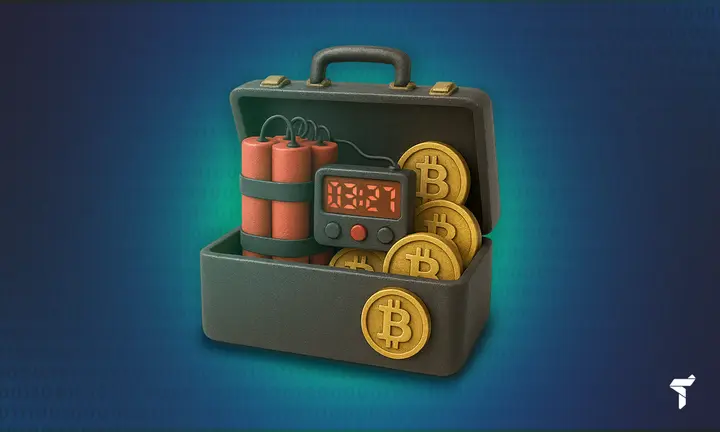
Margin trading is a method of trading financial assets (such as cryptocurrencies) where traders use not only their own funds but also borrowed capital (typically provided by the exchange or other users). This allows earning more from minor price fluctuations but also increases the risk of losses.
Difference from Spot Trading
In spot trading, you buy or sell assets only for the amount you actually possess. For example, if you have 100 USDT, you can only buy Bitcoin for those 100 USDT. You don't borrow funds and aren't obligated to repay any loan.
Margin trading, however, allows you to open a position worth, say, 500 USDT with those same 100 USDT by using 5x leverage. This significantly increases potential profits but also makes you more vulnerable to losses if the market moves against you.
How Margin Trading Works
To open such an order, you need to deposit margin—a certain amount of your own funds that serves as collateral. After this, the trader can borrow the remaining amount and open long or short positions depending on the expected market movement.
Where the Funds Come From
Borrowed funds for margin trading are provided either by the exchange itself or other users (in P2P margin markets). Large platforms like Binance or Bybit have special liquidity pools from which traders can automatically borrow funds. In exchange, they pay usage interest that depends on the asset and market conditions.
What Is Margin and How Is It Used
Margin is the portion of your own funds deposited as collateral to open a leveraged position. For example, if you want to open a $1000 position with 5x leverage, your margin would be $200 while the remaining $800 is borrowed.
Opening Long and Short Positions with Margin
In margin trading, you can profit from both rising and falling markets:
- A long position is opened when you expect an asset's price to rise. You borrow funds, buy the asset cheaper, then sell it at a higher price.
- A short position is when you anticipate a decline. You borrow the asset, sell it at the current price, then buy it back cheaper to repay the debt and keep the difference.
What Is Leverage
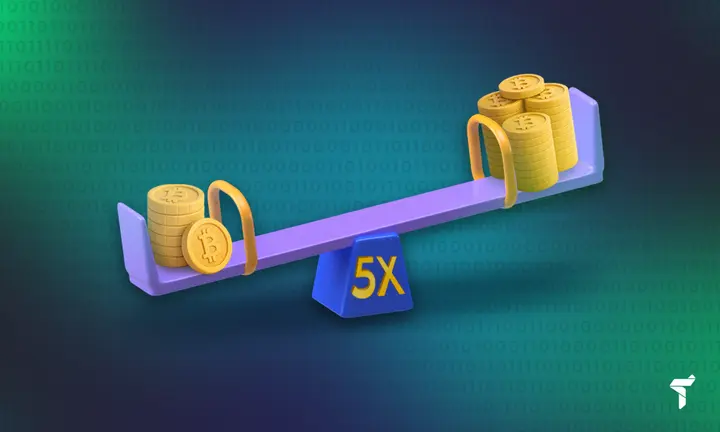
Leverage is a coefficient showing how many times a trader can increase their trade size using borrowed funds. For example, 2x leverage allows opening a position twice your deposit size, 5x—five times, and 10x—ten times.
How Leverage Affects Profits and Losses
Leverage amplifies both profits and risks. For example:
- With 10x leverage, if an asset's price rises 1%, you gain 10% profit on your margin;
- But if the price drops 1%, you lose 10%, and with further downward movement risk losing all your margin or being liquidated.
Potential Gains and Losses with 10x Leverage
Suppose you have 100 USDT and use 10x leverage to open a 1000 USDT position. If the asset rises 5% in value—your profit would be 50 USDT (50% of your margin).
But if the price drops 5%, you lose the same 50 USDT. With greater drops, liquidation may occur, and you could lose everything.
Liquidation and Margin Calls
The main risk in margin trading is losing all collateral if the market moves against you. To protect lenders (the exchange or other parties), mechanisms like position liquidation and margin calls exist.
What Is Position Liquidation
Liquidation is the forced closure of your position by the exchange when losses reach a critical level and margin is exhausted. For example, with 10x leverage, just a 10% adverse price movement will liquidate your position and wipe out your margin.
How a Margin Call Works
A margin call is an exchange warning that your margin level has dropped to a critical threshold. It signals that you must either:
- add more funds (top up your balance);
- or close part of the position to reduce exposure.
How to Avoid Forced Position Closure
To protect your deposit and avoid liquidation, follow these rules:
- Use stop-loss orders—automatic position closure at a predetermined loss level.
- Don't use excessive leverage, especially without experience.
- Constantly monitor your account's margin level.
- Whenever possible, choose isolated margin so losses on one position don't affect others.
Advantages and Disadvantages of Margin Trading

Margin trading is a high-potential tool that opens new profit opportunities but requires deep risk understanding. Below are key pros and cons.
Pros
- Greater profit potential. Leverage enables larger earnings even from minor price movements.
- Shorting capability. You can profit from both rising and falling assets—unavailable in regular spot trading.
- Strategic flexibility. Professional traders can combine long/short positions, hedge risks, and work with various scenarios.
Cons
- High risks. Incorrect predictions can wipe out your entire deposit or even put you in debt (on some exchanges).
- Commissions and loan fees. You pay interest on borrowed funds; the longer you hold positions, the higher the costs.
- Psychological pressure. High leverage creates significant balance fluctuations, often leading to impulsive decisions.
- High crypto market volatility. Even short-term "candles" can trigger liquidation without stop-losses or with excessive leverage.
Risks and Management Tips
To minimize losses and avoid common mistakes, it's crucial to know proper risk management and what to watch for when trading with leverage.
Risk of Complete Deposit Loss
The greatest danger is losing all margin, especially with high leverage. For example, 20x leverage means just a 5% adverse price movement burns your deposit. Crypto volatility can cause this in minutes.
Using Stop-Loss and Risk Management
Stop-loss is a key protective tool that automatically closes positions before liquidation. Additionally:
- Never risk your entire deposit on one trade.
- Determine position sizes according to your risk tolerance.
- Don't forget about take-profit points to secure gains.
Why Beginners Shouldn't Start with High Leverage
Novices often mistakenly choose maximum leverage hoping for quick profits, only to face liquidation after few trades. Start with minimal leverage (e.g., 2x or 3x) to better understand market behavior and your capital's response.
Margin Trading on Popular Platforms
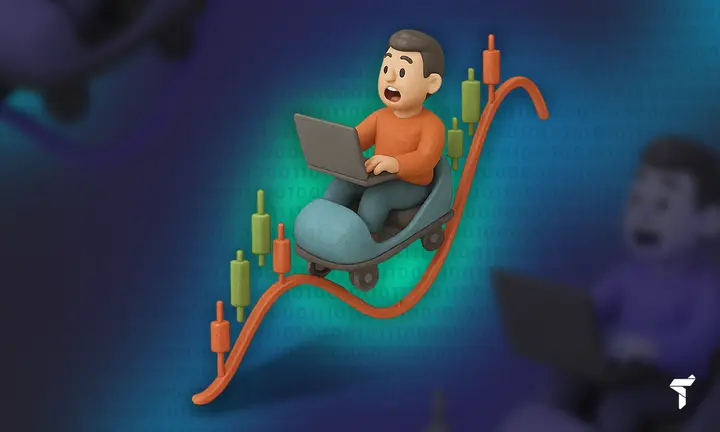
Most major crypto exchanges offer margin trading, but conditions, interfaces, and available tools differ. A key setting is margin type—isolated or cross—affecting risk levels and position control.
Here's a brief overview of popular platforms:
- Binance
Offers both isolated and cross margin. Wide coin selection, flexible leverage up to 125x on futures. Features P2P financing and low interest rates on major assets.
- Bybit
User-friendly interface, fast trading. Supports up to 100x leverage. Also offers isolated margin to limit risks on specific trades.
- OKX
Strong ecosystem and large asset selection. Has automatic switching between isolated/cross margin and convenient risk management panels.
- Bitget
Focuses on copy-trading and beginners. Has leverage limits for less experienced traders. Simple margin management logic.
Isolated Margin
With isolated margin, each position has separate collateral. This means losses on one trade don't affect others, letting traders control risk per trade. Ideal for beginners.
Cross Margin
Cross margin combines your entire margin account balance. If one position loses, the exchange may use funds from other positions or account balance to avoid liquidation. Increases flexibility but also overall risk.
Conclusion
Margin trading is a powerful but complex tool that can both increase your profits and lead to complete capital loss. Its essence lies in trading with borrowed funds, allowing large positions even with small deposits.
On one hand, margin trading offers chances to profit from every market movement using leverage, opening both long and short positions, and trading on downturns. On the other, it requires constant work with risks, liquidations, margin calls, and strict discipline in every trade.