


























In this article, we will explain what a crypto portfolio is, the different types, and how to build a cryptocurrency portfolio.
Experienced investors usually do not invest all their funds in a single asset but distribute them across several cryptocurrencies. This approach helps reduce risks and increase profit potential.
What Is a Cryptocurrency Investment Portfolio?
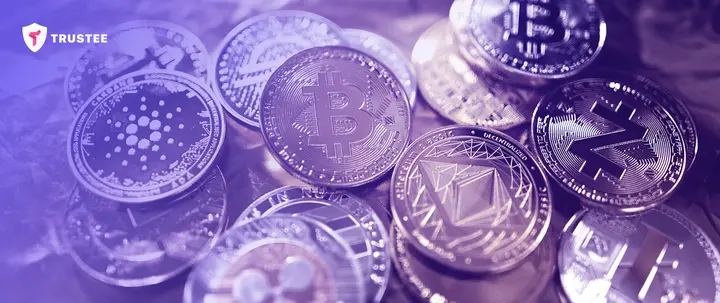
A cryptocurrency portfolio (or crypto portfolio) is a collection of coins and/or tokens in which an investor has allocated funds. These digital assets can be stored on an exchange or in a crypto wallet. In other words, if an investor holds more than one cryptocurrency, they are considered to have built a crypto portfolio.
To create a cryptocurrency portfolio, investors first determine their risk profile. Then, they establish asset selection criteria (which we will discuss later) and assemble a portfolio based on those criteria.
Types of Crypto Portfolios
Based on risk profile, cryptocurrency portfolios are divided into three types: conservative, moderate, and aggressive. These align with the risk profile an investor chooses. Risk profiles define investment goals, so selecting the wrong one may lead to results that deviate significantly from expectations. Let’s examine each type in detail.
1. Conservative
This type suits those who prefer time-tested assets, do not expect high returns, and want to minimize risks. Typically, conservative portfolios are dominated by market leaders: Bitcoin (BTC) and Ethereum (ETH).
Example of a conservative portfolio:
-
60% – BTC
-
30% – ETH
-
10% – other major altcoins
2. Moderate
Investors who seek a balance between high potential returns and manageable risks prefer this type. In such portfolios, Bitcoin’s share does not significantly exceed that of major altcoins or may even be roughly equal. These portfolios are considered more balanced as they are less dependent on the volatility of the dominant cryptocurrency.
Example of a moderate portfolio:
-
40% – BTC
-
30% – ETH
-
30% – other major altcoins
3. Aggressive
These portfolios are favored by those who expect high profits and are willing to take greater risks. They consist mostly of less liquid altcoins that may surge in value as their market capitalization grows.
Example of an aggressive portfolio:
-
30% – BTC
-
20% – ETH
-
50% – other altcoins, including ICO tokens
The above ratios are not universal. There are no fixed standards for selecting the optimal cryptocurrency allocation, so investors define it based on their individual goals.
Portfolio Balance Types
Based on balance level, crypto investment portfolios are divided into two types: balanced and unbalanced.
-
Balanced portfolios require maintaining the initial asset allocation by selling appreciated assets and buying depreciated ones. This approach, called portfolio rebalancing, demands regular monitoring (weekly or monthly, depending on the investment horizon).
-
Unbalanced portfolios deviate from diversification rules but require less frequent monitoring. Investors typically sell overperforming assets and reallocate funds to undervalued cryptocurrencies or hold them in fiat (stablecoins) until a better buying opportunity arises.
Additionally, crypto portfolios can be categorized by investment horizon:
-
Short-term: 2 weeks to 2 months
-
Medium-term: 2 months to 1 year
-
Long-term: 1 year to 5+ years
Shorter investment horizons require more frequent monitoring and rebalancing, directly impacting expected profits and risks.
Diversification is a key risk management method, involving the distribution of funds across multiple assets with similar or different properties. For cryptocurrencies, this means investing in different sectors (e.g., DeFi tokens, oracle platforms, smart contract networks, etc.).
How to Build a Cryptocurrency Portfolio Wisely?
When creating an investment portfolio, investors must consider selection criteria that determine investment success.
Rules for Selecting Crypto Assets
The simplest way to build a portfolio is by buying top cryptocurrencies from CoinMarketCap. However, this approach may not align with risk management principles. The crypto market follows its own cycles—for example, altcoin seasons, where Bitcoin’s rise pulls altcoins up.
Key selection criteria:
-
Volatility
Cryptocurrencies are volatile, but price swings depend on liquidity. Less liquid assets experience sharper price movements. For instance, during market corrections, Bitcoin may drop 30%, while altcoins can fall 50% or more.
-
Correlation
Assets may move in sync (positive correlation) or opposite directions (negative correlation). A balanced portfolio should include non-correlated assets to offset losses with gains. Specialized tools help assess correlation. -
Top-Performing Assets
Bitcoin (BTC) and Ethereum (ETH) are staples in most portfolios, often backed by institutional investors. Bitcoin is considered a market indicator, as altcoins frequently follow its trend.However, diversifying beyond these is advisable. Popular choices include:
-
Toncoin (TON)
-
Diversification
Holding multiple assets is ideal, but too many complicate monitoring. A well-diversified portfolio should include 3-10 cryptocurrencies (max 15). Grouping by category (e.g., DeFi, NFTs) is possible but risky if assets are positively correlated. -
Value Assessment
Track not only popular assets but also their long-term potential. Some previously hyped coins remain in the TOP-100, indicating investor trust. Examples:-
Shiba Inu (SHIB)
-
Bitcoin Cash (BCH)
-
Dash (DASH)
-
Ethereum Classic (ETC)
-
BitTorrent (BTT)
-
-
Community Support
A strong community sustains a project’s growth. Bitcoin and Ethereum lead in adoption despite technological rivals. Declining community activity may signal fading interest.
Where and How to Create a Crypto Portfolio: Platform Selection
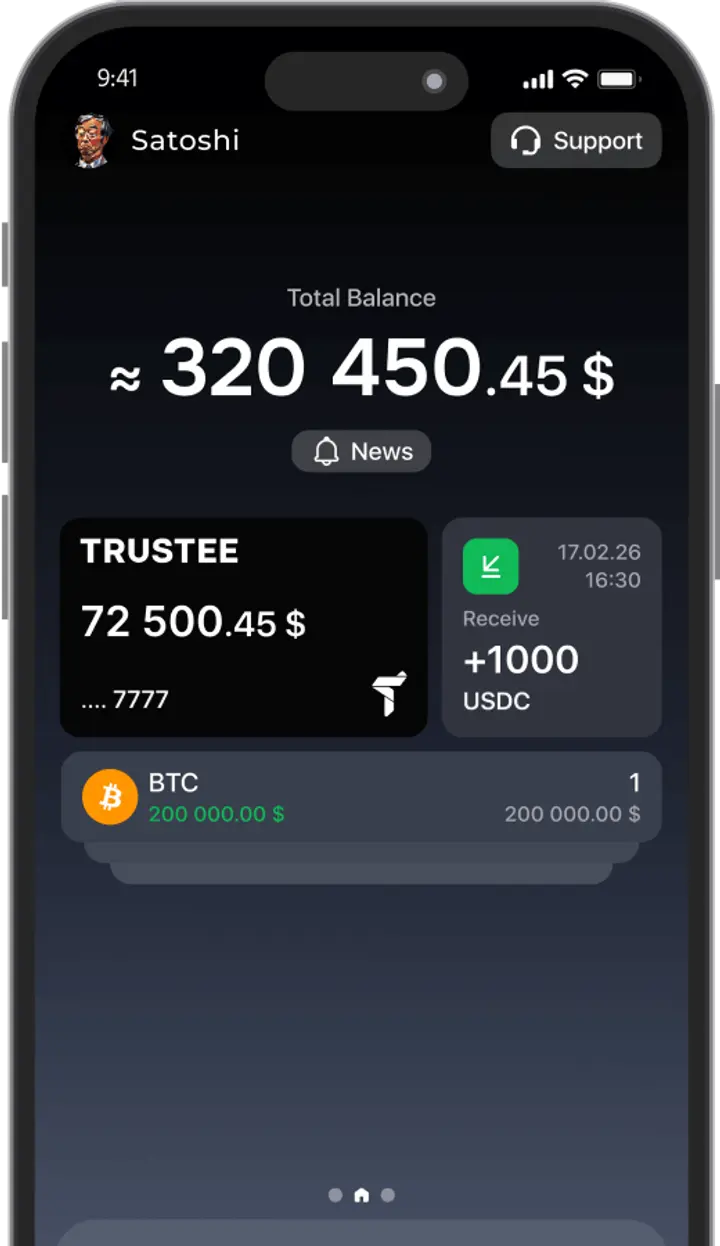
For secure long-term storage, multicurrency custodial wallets like Trustee Plus are ideal. Beyond storage, they support crypto-fiat transactions and crypto payment cards.
Key features of Trustee Plus:
-
Zero fees on card transactions
-
Fast processing
-
24/7 support
-
Supports 30+ coins (TRC20, ERC20, BEP20)
It’s a versatile solution for individuals and institutions.
Portfolio Tracking Tools
Most exchanges/wallets lack built-in tracking tools, so investors use third-party APIs. Popular options:
-
CoinMarketCap – Tracks prices, market cap, and offers a portfolio tracker.
-
Delta Portfolio Tracker – Mobile app (iOS/Android) for crypto, stocks, and commodities.
-
Coin Market Man – Advanced scanner for derivatives and multi-account tracking (paid only).
-
Crypto Compare – Similar to CoinMarketCap with portfolio-sharing features.
-
Kubera – Cross-platform tracker for crypto and traditional assets.
Bonus: Boosting Portfolio Returns

Medium/long-term investors can engage in Yield Farming (liquidity pools, lending). Returns range from 10% to 1000%+ APY, depending on platform liquidity.
Conclusion
By following portfolio investment principles, you can build and optimize your crypto holdings. Success depends not on luck but on risk management, analysis skills, and market awareness. Continuous learning is essential—but always remember: risks remain.