


























Cryptocurrency wallets are the foundation for storing digital assets. But how secure are they from malicious actors? Is it possible to hack a Bitcoin wallet or any other crypto wallet if you know the right approach?
Security concerns are more relevant than ever: in 2024 alone, cryptocurrencies worth $2.2 billion were stolen from crypto platforms — $400 million more than in 2023. And this troubling trend is only growing.
In this article, we’ll explore how hackers attempt to break into crypto wallets, which types of wallets are more vulnerable, whether it’s possible to hack the blockchain itself, and what steps you should take to protect your assets.
Types of Cryptocurrency Wallets
Before bringing the subject about hacking, it’s essential to understand that not all crypto wallets are equally vulnerable. Generally, they are divided into two types — hot and cold wallets — each with its own advantages and risks.
Hot Wallets
These wallets are constantly related to the internet. They include:
-
Online wallets — accessible through a browser (e.g., MetaMask).
-
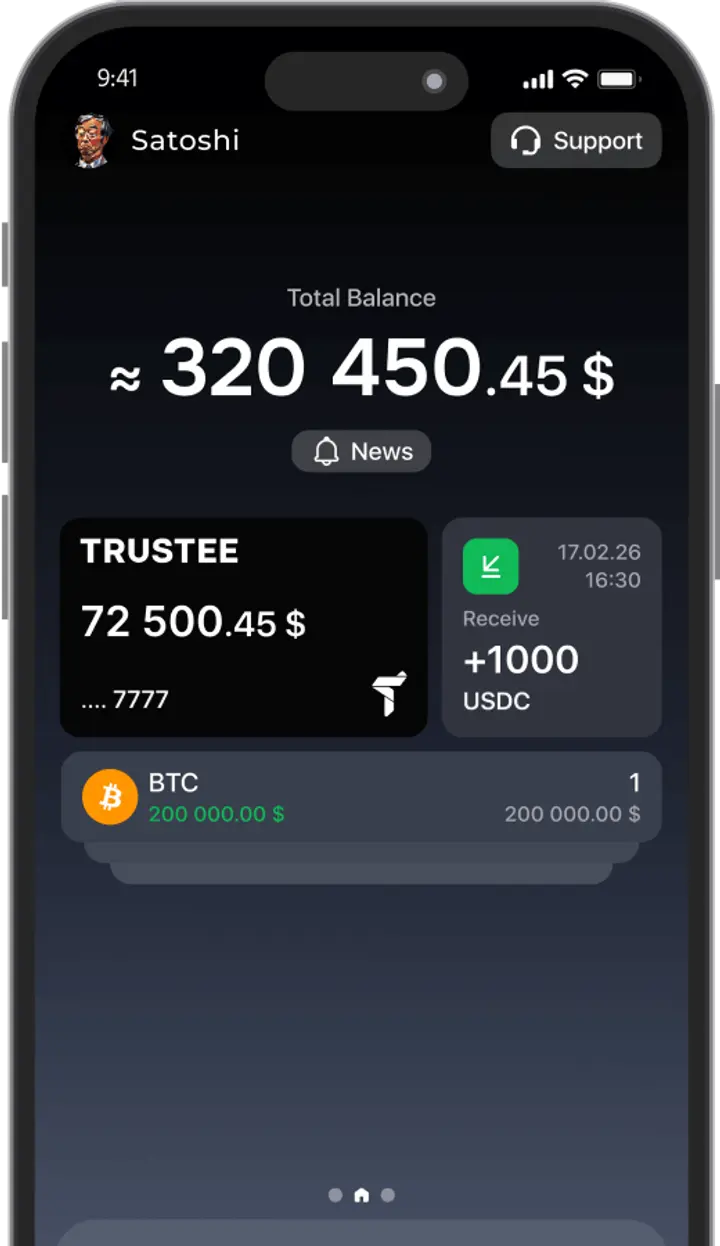
Mobile wallets — smartphone apps (e.g., Trustee Wallet, Trustee Plus).
-
Desktop wallets — programs installed on a computer.
Pros: Convenience, quick access, integration with exchanges and dApps.
Cons: Vulnerable to phishing, viruses, malware, and theft via compromised devices or networks.
Cold Wallets
These wallets operate offline. Their main purpose is to store private keys without an internet connection. They include:
-
Hardware wallets (e.g., Ledger, Trezor) — physical devices with built-in encryption.
-
Paper wallets — printed private keys or QR codes.
Pros: High level of security, nearly immune to online attacks
Cons: Inconvenient for everyday use, risk of loss or physical damage
Main Methods of Hacking Crypto Wallets

The most common hacking methods don’t rely on breakthroughs in computing power but rather on human error and software vulnerabilities.
One of the most dangerous tools hackers use is phishing — a method that tricks users into giving up their private keys or seed phrases, often through fake websites, emails, or messages. Attackers may impersonate support staff or partners to gain wallet access.
Another threat is the cracking of a private key. Although modern encryption algorithms make brute force attacks nearly impossible, data leaks or weak seed phrase generation can open doors for hackers.
A separate category of risks comes from attacks not on wallets themselves, but on exchanges or services connected to them. If an exchange is compromised and has access to your funds, even the most secure wallet won’t protect you.
Can the Blockchain Be Hacked?
Blockchain is often referred to as virtually unhackable — and for good reason. Its strength lies in decentralization: data isn’t stored on a single server but is mirrored across thousands of nodes worldwide. Information is protected by cryptography and the “chain of blocks” structure, where each new block depends on the previous one. Changing one block means changing the entire chain, which is technically almost impossible.
However, there is one theoretical vulnerability — the 51% attack. If a player (or group) gains control over more than half of the network’s computing power, they could rewrite transactions, perform double spending, or block new confirmations. For large blockchains like Bitcoin or Ethereum, this is nearly impossible due to the astronomical cost of equipment and electricity. But for smaller projects, a 51% attack is a very real risk.
How to Protect Your Wallet
The ability to hack a crypto wallet largely depends on you. First, it’s crucial to choose a reputable wallet with a solid track record.
However, even the best wallet won’t help if you lose control of your seed phrase or private keys. These should never be stored openly on a computer or cloud service. The optimal solution is an encrypted USB stick or a physical backup kept in a secure location.
It’s also critical to regularly update your wallet software. Many attacks exploit known vulnerabilities in outdated versions. Equally important is caution when using third-party services: when connecting your wallet to a new platform, make sure it’s trustworthy, avoid phishing sites, and don’t click on suspicious links.
Remember: the weakest link is not the blockchain or the wallet — it’s the human factor. Handling cryptocurrency securely is not difficult, but it does require discipline and caution.
One of the more reliable options is Trustee Plus, which combines user-friendliness with multi-layer protection, support for multiple assets, and bank-grade encryption. An extra layer of security is provided by two-factor authentication (2FA), requiring login confirmation via app or SMS code — making unauthorized access much harder.
Conclusion
So, can a crypto wallet be hacked? Yes — but it’s not easy. Most successful attacks don’t target the blockchain or the wallet itself but rather user mistakes, phishing, software vulnerabilities, or compromised third-party platforms.