




















The rise in popularity of DeFi has drawn the attention of many users to decentralized exchanges (DEXs) and other types of blockchain platforms. Amid the buzz surrounding decentralized finance, some DeFi platforms have been overlooked, as the focus shifted to more widely publicized venues like Uniswap, 1inch, SushiSwap, and similar ones.
In this article, you will learn what Thorchain is, how it works, and what makes it valuable.
THORChain (RUNE) Protocol – How It Works
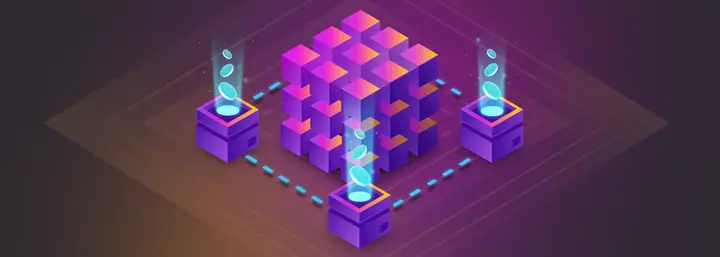
THORChain is a liquidity protocol that connects various crypto assets through cross-chain bridges and continuous liquidity pools managed by validators (node operators).
The public sale of RUNE tokens (IDO) took place on Binance DEX in 2019, and the THORChain mainnet was launched in January 2021. The platform enables asset swaps across different blockchains without third parties—eliminating the need for centralized exchanges. Asset pricing is determined by supply and demand within the liquidity pools.
THORChain is built on the Tendermint consensus engine, a Byzantine Fault Tolerant (BFT) framework also used in the Cosmos Network. Validators play a crucial role in the THORChain ecosystem: they maintain the vaults, manage RUNE token bonding (locking assets in a smart contract), and produce new blocks in the cross-chain network.
What Makes THORChain Unique
The primary issue the protocol aims to solve is the lack of liquidity on decentralized exchanges, which leads to high volatility in crypto assets. Rapid price fluctuations significantly increase risks for traders and investors. Centralized exchanges can provide sufficient liquidity, but users are forced to trust them.
THORChain incentivizes liquidity providers through staking and bonding: RUNE token holders can lock their assets in a smart contract and receive rewards in return for contributing liquidity to the market. As platform liquidity grows, volatility will decrease—mitigating the risks of impermanent losses.
BiFrost Protocol
The BiFrost protocol ensures interoperability across THORChain (i.e., connectivity between blockchains). This sets the platform apart from narrowly focused DeFi protocols that can only operate within one or at most two blockchain networks.
It allows any blockchains to be connected into decentralized clusters, forming a global ecosystem of interoperable chains. BiFrost maintains network security via validators who manage token generation on THORChain.
Here’s how it works:
-
A holder sends their cryptocurrency (e.g., BTC or DOGE) to a THORChain vault, where it is locked until the user withdraws it.
-
At this point, an equivalent amount of tokens backed by the original asset is minted.
-
When the user retrieves their coins, the tokens are burned and the base asset is sent to their wallet.
Yggdrasil Protocol
One of the main problems with modern protocols is low throughput, which leads to expensive and slow transactions during periods of heavy use.
The Yggdrasil solution is aimed at increasing the throughput of the THORChain network. To achieve this, the protocol introduces vertical sharding.
Thorchain Cryptocurrency: What It Is
RUNE (Thorchain) is the native cryptocurrency of the THORChain platform. The RUNE token exists across multiple blockchains, such as Ethereum (ERC-20) and Binance Chain (BEP-2). RUNE is used to reward liquidity providers, validators, and delegators (stakers).
According to CoinMarketCap, a total of 500 million tokens have been created, with 234.4 million currently in circulation. RUNE’s market capitalization exceeds $1 billion. Detailed information about Thorchain tokens is available on the CoinMarketCap website.
THORChain (RUNE) Outlook
The THORChain smart contract has undergone security audits by several firms, including Certik, which specializes in blockchain research and aims to increase trust in blockchain technology.
Thorchain boasts a developed ecosystem: developers provide users with various services and SDKs for building their own applications on top of the protocol. For example, you can monitor network changes through Telegram bot notifications or build your own multichain wallet using the XChainJS library.
However, competition shouldn’t be overlooked: developers of some blockchain platforms, such as Cosmos and Polygon, are working on solutions that ensure network interoperability. While other protocols still lag in terms of the number of supported blockchains, the situation may change over time.
Thorchain’s future depends on how much interest investors show in holding RUNE tokens. The platform’s economic model is designed to encourage long-term holding.
Thorchain Cryptocurrency – Where and How to Get It
RUNE is traded on many major crypto exchanges. A full list of platforms where you can buy the token is available on CoinMarketCap. The list includes both centralized (CEX) and decentralized (DEX) exchanges.
RUNE is required for adding liquidity to pools, as each pool must contain this token in the trading pair. Therefore, to earn RUNE through liquidity mining, you’ll need to buy and add tokens to a pool or simply stake them.
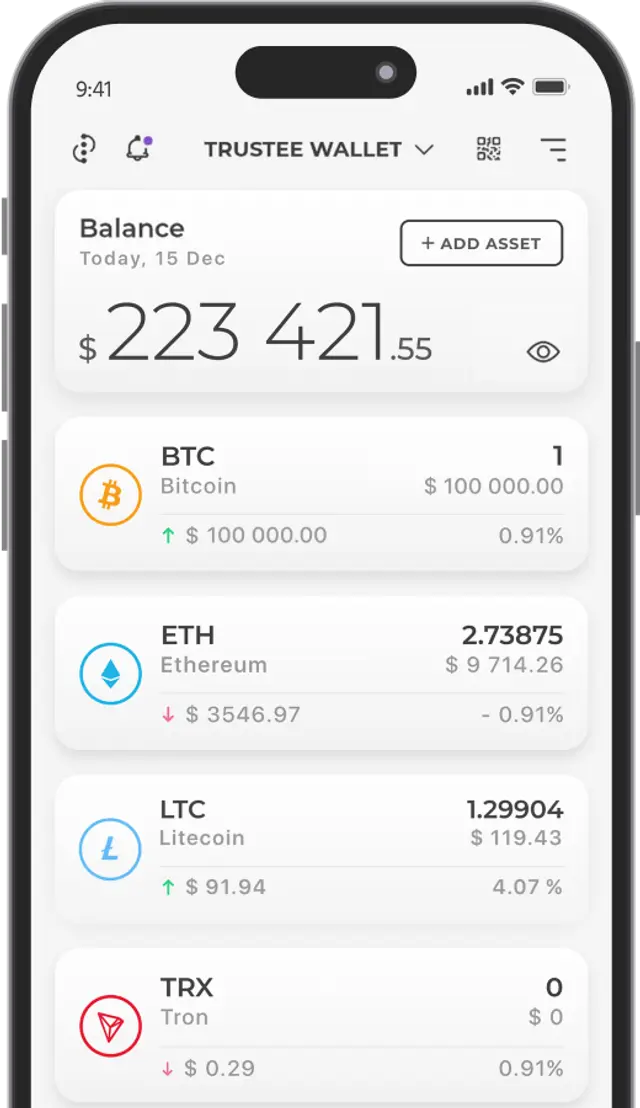
Any wallet that supports Ethereum (ERC-20) or Binance Chain (BEP-2) networks will work for storing RUNE. Multicurrency wallets supporting these blockchains make it easy to manage the tokens in one interface.
Conclusion
In this article, we explored THORChain – a one-of-a-kind blockchain platform that enables connectivity between blockchains. Additionally, the protocol aims to solve scalability and security issues within decentralized networks. Solutions built on top of the THORChain blockchain are also in development, such as Asgardex – an upgraded exchange interface that showcases the protocol’s full capabilities.