
























TON, or The Open Network, is a blockchain ecosystem for payments, tokens, smart contracts and decentralised applications. The network gained particular popularity through its integration with Telegram, including Mini Apps, digital assets and payment services.
The project was originally developed by the Telegram team under the name Telegram Open Network. Telegram stopped working directly on the blockchain in 2020, after which an independent community continued developing the open-source technology. Today, TON is deeply integrated with Telegram, while the blockchain itself is developed through an open ecosystem.
In this article, we explain how TON works, what its native coin Gram is used for, how payments, tokens and staking operate on the network, and which risks users should consider.
How does the TON blockchain work?
TON’s architecture consists of a main blockchain known as the masterchain, together with workchains and shardchains. The masterchain stores essential information about the state of the network, while workchains and shards allow operations to be processed in parallel. As activity increases, the network can create additional shards and merge them again when demand falls.
TON supports smart contracts, decentralised applications, NFTs and fungible tokens known in the ecosystem as jettons. This infrastructure is used by payment services, DeFi protocols, games and Telegram Mini Apps.
Gram, Toncoin and TON: what is the difference?
TON is the name of The Open Network blockchain.
Toncoin is the former name of the network’s native coin, used after the independent community continued the project.
Gram is the current name of TON’s native coin. Its ticker is GRAM. The coin is used to pay network fees, execute smart contracts, participate in validation, staking and voting, and interact with services across the ecosystem.
The current Gram coin should not be confused with the original Gram tokens that Telegram planned to issue during the early version of the project. That launch did not proceed as originally planned because of a legal dispute with the US Securities and Exchange Commission. Telegram later stopped its direct involvement in developing the network.
What are TON and Gram used for?
| Use case | How it is used |
|---|---|
| Network fees | Gram is used to pay for transactions and smart contract execution |
| Staking | Validators and staking pool participants lock coins to support the network |
| Telegram | TON is used in Mini Apps, digital gifts, payments and selected monetisation features |
| DeFi | The network supports decentralised exchanges, lending protocols and other financial applications |
| Jettons and NFTs | Developers can issue fungible tokens and unique digital assets |
| Payments | TON supports transfers of Gram, USDT and other compatible assets |
| Web3 services | The ecosystem includes TON Connect, TON DNS, TON Storage, TON Proxy and other tools |
TON Wallets: A Look at Popular Options and Their Features

If you’re wondering where to buy Gram, the answer is simple – cryptocurrency exchanges or swap services. But once you've made a purchase, you’ll need to store your coins in a crypto wallet. Wallets also allow users to safely send and receive transactions and interact with decentralized applications in the TON ecosystem.
Let’s review the most popular wallets for Gram:
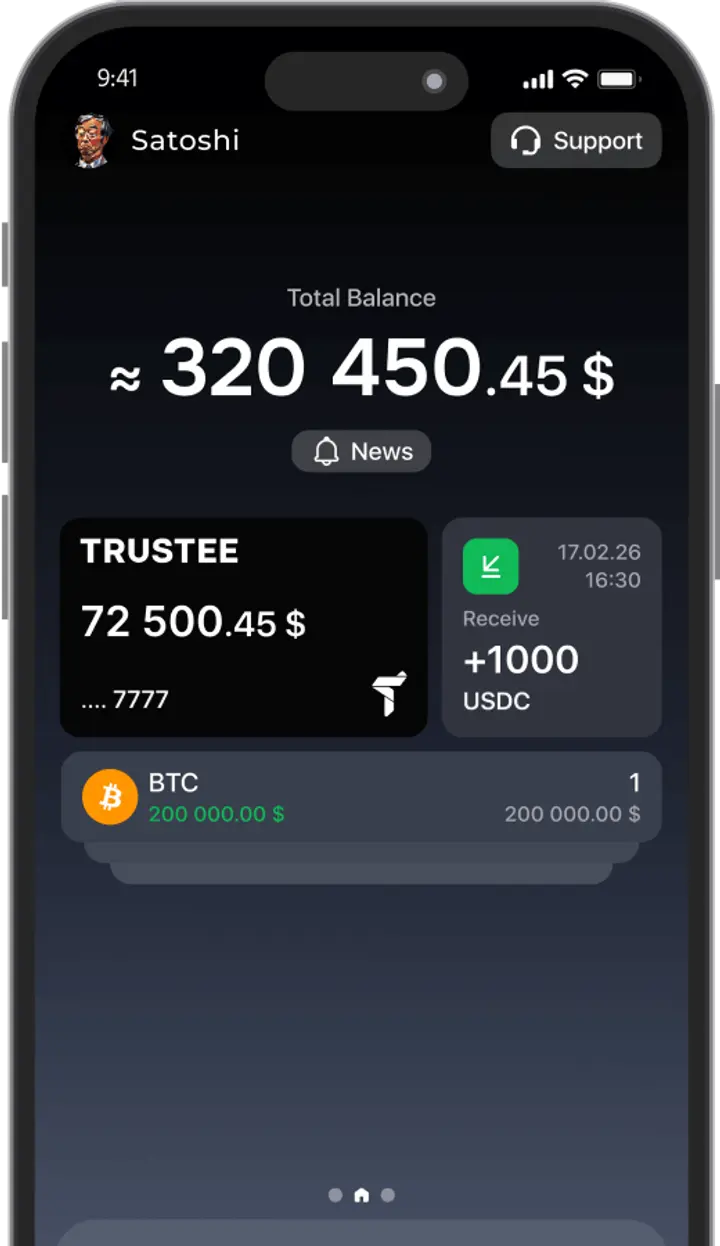
- Trustee Plus – a digital finance platform with its own payment cryptocard.
-
TON Wallet – Telegram’s built-in wallet, ideal for quick transactions and everyday use.
-
Tonkeeper – A mobile wallet with a simple interface and NFT support.
-
MyTonWallet – A web wallet with extended functionality for experienced users.
-
Tonhub – A mobile wallet focused on security and ease of use.
Choosing a wallet depends on the user's individual needs, technical background, and desired balance between convenience and security. For newcomers, it’s recommended to start with a wallet that offers an optimal combination of features and safety.
Gram Staking: Features and Yield
TON operates through Proof-of-Stake. Validators lock native coins and participate in verifying transactions, producing blocks and securing the network.
Users do not necessarily need to operate their own validator. They may participate through nominator pools or liquid staking protocols if these options are supported by their wallet or service.
Staking returns are not fixed. They depend on network parameters, the total amount staked, the terms of the selected pool and service fees. Users should also consider technical failures, smart contract vulnerabilities, withdrawal restrictions and changes in the market value of Gram.
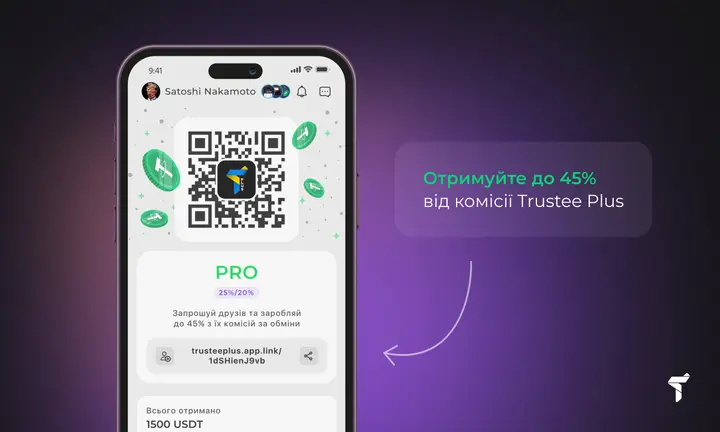
However, you can potentially achieve higher returns not just through staking, but also by using additional features of the Trustee Plus wallet. For instance, Trustee Plus offers a referral program where users can earn 45% of the company's revenue. That means if you refer 1,000 users with a transaction volume of 10,000 USDT, your potential income could reach 45,000 USDT.
Staking Gram has some differences compared to staking assets like SOL or TRX. It’s more similar to ETH liquid staking, which can be complex for beginners. However, for those just getting started and looking to earn from crypto, the Trustee Plus referral program offers a simpler and more accessible entry point.
How to Buy, Exchange, and Sell Gram

Let’s break down the process of buying, exchanging, and selling Gram using popular exchanges like Binance or KuCoin, which offer straightforward, reliable, and secure solutions for Gram trading.
-
Registration and verification: Before you start, create an account on one of these exchanges and complete verification by providing your phone number and other necessary details.
-
Buying Gram: Deposit funds into your account using a bank transfer or credit/debit card. Then use the buying feature to purchase Gram by selecting the amount and preferred payment method.
-
Exchange: To swap other cryptocurrencies for Gram or vice versa, go to the exchange tab, choose the desired trading pair, and complete the transaction.
-
Selling Gram: To sell Gram, choose the appropriate option on the exchange, enter the amount, and finalize the trade.
The Future of TON: Growth Prospects and Potential
The Open Network project shows strong potential for future growth and development. A key driver of TON’s success is its close integration with Telegram, which provides access to an audience of over 700 million active users.
As the TON ecosystem expands and more projects are built on this blockchain, demand for Gram is likely to increase, along with its value. However, like any cryptocurrency, Gram's future will depend on various factors, including the overall state of the crypto market, regulatory developments, and the successful implementation of its proposed technological solutions.